Understanding Thalassemia: Early Care Can Save Lives
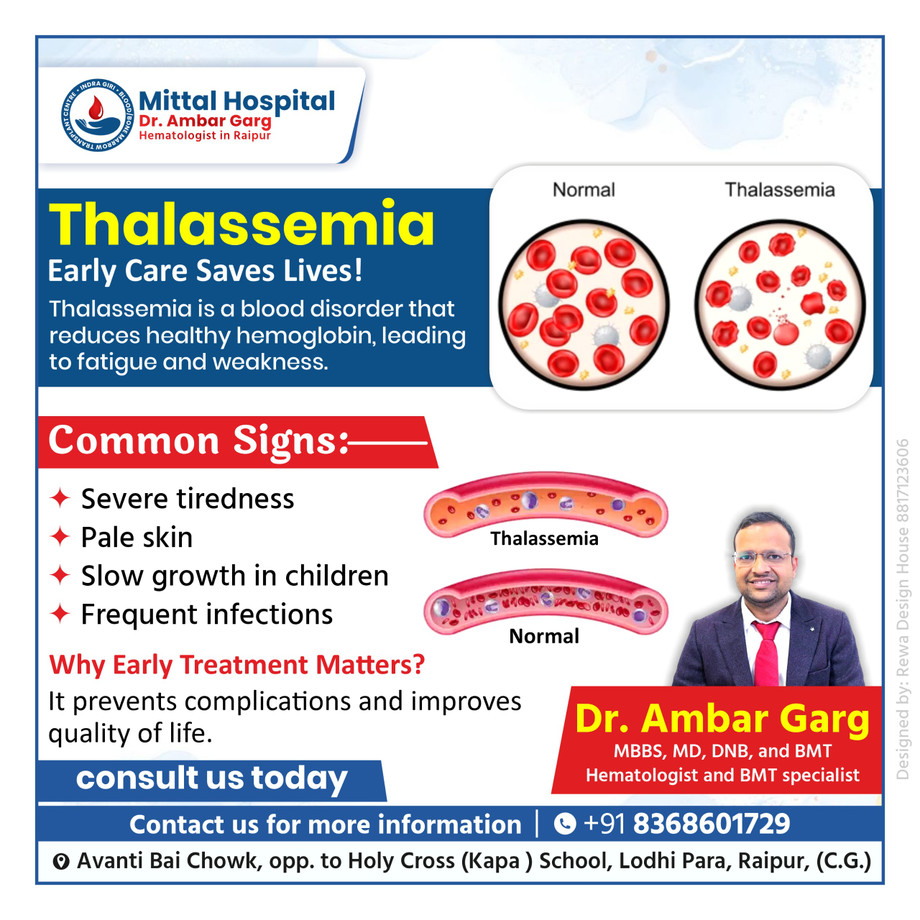
Thalassemia is a genetic blood disorder that affects the hemoglobin in the blood, leading to severe health complications such as fatigue, weakness, and infections. It is one of the most common inherited blood disorders, and its impact can range from mild to severe. The condition mainly affects people of Mediterranean, Middle Eastern, African, and Southeast Asian descent. Early diagnosis and appropriate treatment are crucial in preventing complications and improving the quality of life for those affected by this condition.
What is Thalassemia?
Thalassemia is a condition where the body’s ability to produce healthy red blood cells is impaired. Healthy red blood cells are critical for transporting oxygen throughout the body, and when these cells are defective, it leads to severe fatigue and other health problems. The severity of thalassemia can vary. In its most severe form, individuals may require regular blood transfusions and other treatments throughout their lives.
There are two main types of thalassemia: Alpha thalassemia and Beta thalassemia, each caused by a mutation in different globin genes in the hemoglobin protein. People with thalassemia major (the severe form of the disease) require lifelong blood transfusions and medical care.
In the image provided, you can see a comparison between a normal red blood cell and a red blood cell from a person with thalassemia. The thalassemia blood cells are often smaller and misshaped, which affects their ability to transport oxygen efficiently.
Common Signs of Thalassemia
Early detection of thalassemia can make a significant difference in managing the disease and preventing complications. The most common signs of thalassemia include:
- Severe Tiredness (Fatigue): One of the first signs of thalassemia is extreme fatigue, as the body does not have enough healthy red blood cells to carry oxygen.
- Pale Skin: Individuals with thalassemia often experience paleness due to a reduction in the number of red blood cells in the body.
- Slow Growth in Children: In children, thalassemia can result in slower physical growth due to anemia and other complications related to the disease.
- Frequent Infections: Thalassemia can weaken the immune system, leading to an increased risk of infections.
These symptoms, when identified early, can prompt parents and caregivers to seek medical advice and begin the necessary tests to confirm a diagnosis of thalassemia.
Why Early Treatment Matters
The importance of early treatment cannot be overstated. Thalassemia can lead to a variety of complications, including delayed growth, bone deformities, and organ damage. Without proper management, these complications can be life-threatening. Early intervention can prevent these severe outcomes and improve the overall quality of life.
Thalassemia treatment primarily involves managing the symptoms and preventing complications. One of the most common treatments is blood transfusion therapy, which helps to replace the defective red blood cells with healthy ones. However, frequent transfusions can lead to another issue called iron overload, which requires treatment with iron chelation therapy. In some cases, a bone marrow transplant may be considered, especially for individuals with severe thalassemia, as it can potentially cure the disease.
Other supportive treatments include medications, lifestyle changes, and regular check-ups with a hematologist. A hematologist specializes in blood disorders and will monitor the individual’s condition to provide the best possible care.
Thalassemia and the Role of Early Diagnosis
The diagnosis of thalassemia can be done through blood tests. A complete blood count (CBC) can reveal abnormalities in the red blood cells, and a hemoglobin electrophoresis test can confirm the type and severity of the disease.
Genetic counseling is also an important part of managing thalassemia, especially for couples planning to have children. Genetic testing can determine if an individual carries the thalassemia trait, allowing families to make informed decisions about future pregnancies.
Contact Information
If you suspect you or a loved one may have thalassemia or another blood disorder, don’t wait for symptoms to worsen. Early diagnosis and treatment can make a significant difference.
For consultations and more information, contact Dr. Ambar Garg at:
Mittal Hospital
-
Address : Avanti Bai Chowk, Opp. to Holy Cross (Kapa) School, Lodhi Para, Raipur, C.G.
-
Phone / WhatsApp : +918368601729
-
Email: ambargarg00004@gmail.com
- 📘 Facebook | 📸 Instagram | 🐦 Twitter | ▶️ YouTube | 📌 Pinterest
Conclusion
Thalassemia is a serious but manageable condition when diagnosed early. Awareness and prompt medical intervention can significantly improve the quality of life for individuals with thalassemia. If you or someone you know is experiencing symptoms like severe fatigue, pale skin, slow growth in children, or frequent infections, it is important to seek medical advice as soon as possible. Early treatment is key to managing the disease effectively and preventing long-term complications.
Dr. Ambar Garg, a renowned hematologist and BMT specialist, is dedicated to providing the highest quality of care for individuals with thalassemia and other blood disorders. His expertise in hematology and bone marrow transplantation ensures that each patient receives personalized treatment plans aimed at improving their health and well-being.



No comments:
Post a Comment